Regular Cleaning in Homes and Businesses: Why It Matters for Health, Comfort, and Lasting Value
Why Regular Cleaning Matters in Everyday Life
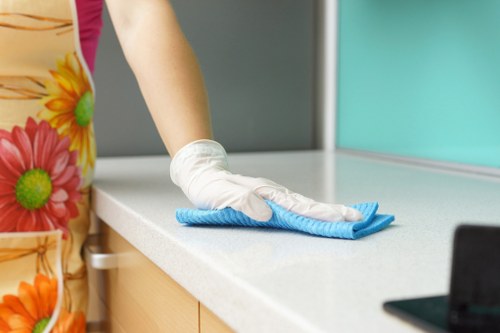
Regular cleaning is more than a visual preference. It is a practical routine that supports healthier living, better organization, and a more inviting environment. Whether you manage a home, office, retail space, or rental property, regular cleaning helps reduce dirt buildup, limit allergens, and keep surfaces in better condition for longer.
Many people think of cleaning as something to do only when a room starts looking messy. In reality, regular cleaning prevents mess from becoming a bigger problem. Dust, grease, bacteria, and clutter accumulate quickly, and once they build up, the cleaning task becomes more time-consuming and stressful. A steady routine makes maintenance easier and more affordable.
Another reason regular cleaning is so important is consistency. Clean spaces create a sense of order and calm. They also make a strong impression on guests, clients, customers, and employees. For businesses in particular, regular cleaning can influence customer confidence, staff morale, and even productivity. A polished space communicates care, attention, and professionalism.
Health Benefits of Regular Cleaning
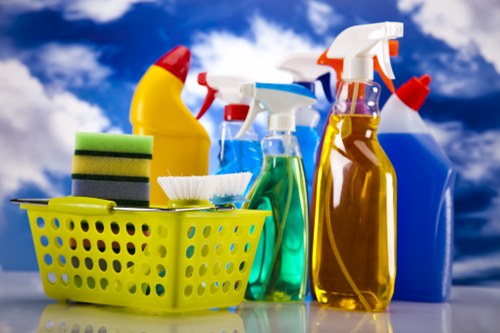
One of the strongest reasons to prioritize regular cleaning is the impact on health. Dust, pet dander, pollen, and mold spores can settle on surfaces and circulate through the air. When that happens, people with allergies, asthma, or other sensitivities may experience discomfort. Routine cleaning helps lower these triggers and supports cleaner indoor air.
Regular cleaning also reduces the spread of germs. High-touch areas such as doorknobs, light switches, countertops, faucets, and shared equipment can transfer bacteria and viruses from one person to another. By disinfecting these areas consistently, you help create a safer environment for everyone.
For households with children, older adults, or people with weakened immune systems, cleaning is even more important. These groups are often more vulnerable to illness and irritation. A regular cleaning schedule can make a noticeable difference in daily comfort and wellbeing.
Common Health-Related Advantages
- Fewer allergens in the home or workplace
- Reduced exposure to bacteria and viruses
- Cleaner air and less dust accumulation
- Lower risk of mold growth in damp areas
- Improved comfort for sensitive individuals
How Regular Cleaning Protects Surfaces and Fixtures

It is easy to overlook the long-term benefits of cleaning until surfaces begin to show wear. Dirt, grime, and moisture can slowly damage flooring, countertops, appliances, furniture, and fixtures. Regular cleaning helps preserve these items and extends their useful life.
For example, kitchen grease can settle on cabinets and appliances and become harder to remove over time. Bathroom residue can stain tile and grout. Dust can scratch delicate surfaces when it is moved around without being properly removed. With regular cleaning, you reduce the chance of permanent damage and keep materials looking their best.
Regular cleaning is also a cost-saving habit. When surfaces are cared for properly, they are less likely to need costly repairs or early replacement. In homes and businesses alike, prevention is almost always less expensive than restoration.
Examples of Areas That Benefit From Routine Care
Some of the most important areas to maintain include:
- Floors and baseboards
- Kitchen counters and sinks
- Bathroom surfaces and mirrors
- Office desks and shared equipment
- Windows, blinds, and vents
Regular Cleaning for Homes: Creating a Comfortable Environment
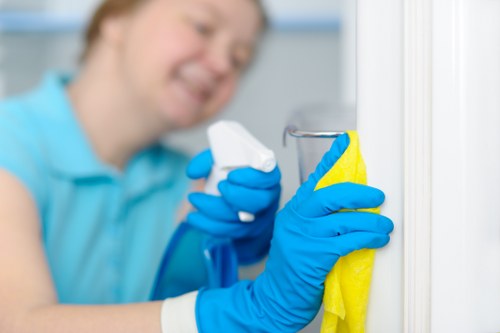
A clean home feels more peaceful and functional. Regular cleaning helps create a space where family members can relax, cook, work, and spend time together without constant clutter or unpleasant odors. It also makes daily routines smoother because everything has a clearer place.
In busy households, cleaning can easily fall behind. Laundry piles up, dishes stay in the sink, and dust collects in corners. A regular cleaning plan prevents these tasks from becoming overwhelming. Instead of trying to clean everything at once, families can divide the work into manageable parts and maintain better control of the space.
Many homeowners find that regular cleaning improves more than appearance. It encourages better habits, such as putting items away after use, wiping spills immediately, and keeping shared spaces organized. Over time, these habits reduce stress and make the home more enjoyable.
Areas to Focus on at Home
- Kitchen surfaces and appliances
- Bathrooms, sinks, and toilets
- Bedrooms, closets, and under-bed spaces
- Living rooms, upholstery, and entertainment areas
- Entryways, hallways, and high-traffic floors
Homeowners who stay consistent with regular cleaning often notice fewer last-minute chores before guests arrive. That means less pressure and more confidence in the condition of the home.
Regular Cleaning in Offices and Commercial Spaces
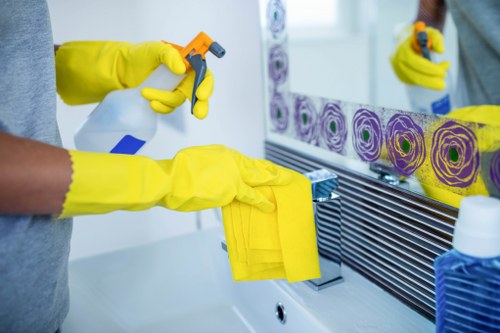
Workplaces rely on presentation, organization, and hygiene. Regular cleaning in offices and commercial spaces supports both customer experience and employee wellbeing. A well-maintained space can improve focus, reduce distractions, and create a more professional atmosphere.
In offices, shared surfaces are used throughout the day by many people. Desks, meeting tables, printer stations, break rooms, and restrooms need regular attention to limit germs and keep the workplace pleasant. In retail spaces, clean floors, clear displays, and dust-free shelves can influence how customers view the business.
Commercial spaces also benefit from regular cleaning because they often experience heavier foot traffic than homes. More people means more dirt, more fingerprints, more wear, and more opportunities for clutter. A cleaning routine helps businesses stay ahead of these issues before they affect operations or reputation.
Business Benefits of Regular Cleaning
- Better first impressions for clients and visitors
- Cleaner shared spaces for employees
- Reduced buildup of dirt and germs
- Improved workplace morale and professionalism
- Longer life for floors, furniture, and fixtures
For many businesses, regular cleaning is not just an appearance issue; it is part of maintaining a healthy and functional workplace.
Building an Effective Regular Cleaning Routine
Creating a regular cleaning routine does not have to be complicated. The best system is the one that fits your lifestyle, property size, and cleaning needs. The key is consistency. Small tasks done often are easier to manage than large tasks done rarely.
A good routine usually combines daily, weekly, and monthly responsibilities. Daily tasks help control mess and keep common areas tidy. Weekly tasks handle deeper maintenance. Monthly tasks address less visible problem areas that still need attention.
When planning your routine, it helps to break tasks into categories such as dusting, disinfecting, vacuuming, mopping, laundry, and waste removal. This keeps the process organized and prevents important jobs from being forgotten.
Sample Routine Structure
- Daily: Wash dishes, wipe counters, tidy surfaces, empty trash
- Weekly: Vacuum, mop, clean bathrooms, disinfect high-touch areas
- Monthly: Clean behind appliances, dust vents, wash windows, organize storage areas
- Seasonal: Deep-clean carpets, declutter, inspect hard-to-reach areas
Regular cleaning becomes easier when everyone knows what needs to be done and how often it should happen.
Tools and Supplies That Make Cleaning Easier
Using the right tools can make regular cleaning faster, safer, and more effective. You do not need an overwhelming collection of products. A practical set of basics is often enough to handle most tasks.
Common cleaning supplies include microfiber cloths, sponges, a mop, a vacuum, an all-purpose cleaner, glass cleaner, disinfectant, scrub brushes, and trash bags. Depending on the environment, you may also need specialized products for wood, stone, stainless steel, or upholstery.
It is also important to store supplies in a convenient location. When cleaning tools are easy to reach, you are more likely to use them regularly. Organized storage can save time and reduce frustration during routine maintenance.
Helpful Cleaning Essentials
- Microfiber cloths for dusting and wiping
- A vacuum with attachments for corners and upholstery
- Non-abrasive scrubbers for kitchens and bathrooms
- Mopping tools suited to your flooring type
- Disinfecting products for high-touch surfaces
Regular cleaning becomes more efficient when the right products are always within reach.
How Regular Cleaning Supports Organization
A clean space is usually easier to organize. When dust, clutter, and clutter-related stress are reduced, it becomes simpler to keep items in their proper place. That is one reason regular cleaning and organization work so well together.
Without a routine, clutter tends to spread from one area to another. Papers collect on desks, shoes pile up near doors, and kitchen items get left out on counters. Regular cleaning helps reset the space before disorder becomes the norm. It is much easier to sort, store, and label belongings in a clean environment.
Organization also supports time savings. When items are easy to find, people waste less time searching for things. This is especially helpful in shared households and busy offices where many people use the same space.
Organization Tips That Work Well With Cleaning
- Return items to their designated place after use
- Use baskets, bins, and drawer organizers
- Clear flat surfaces before cleaning them
- Donate or discard unused items regularly
- Label storage areas for faster access
By combining cleaning with organization, you create a system that supports long-term tidiness instead of short-term cleanup.
The Role of Regular Cleaning in Reducing Stress
Messy surroundings can contribute to mental fatigue. Many people feel distracted or overwhelmed when they are surrounded by clutter and unfinished chores. Regular cleaning helps reduce that feeling by keeping spaces manageable and visually calm.
There is also a psychological benefit to seeing progress. Completing even a few cleaning tasks can create a sense of accomplishment. This is why regular cleaning often feels more rewarding than waiting until the mess becomes too large to handle.
For families, tenants, and business owners, a clean environment can reduce tension and improve day-to-day routines. People often feel more comfortable in spaces that are tidy, fresh, and predictable. That comfort can have a real effect on mood and productivity.
Why a Clean Space Feels Better
Clean spaces tend to feel brighter, more open, and more controlled. They support clearer thinking and reduce the mental load of seeing unfinished tasks everywhere.
Deep Cleaning vs. Regular Cleaning
It is important to understand the difference between regular cleaning and deep cleaning. Regular cleaning focuses on routine upkeep and prevention. Deep cleaning goes further by addressing buildup, hidden dirt, and less accessible areas.
Both are valuable, but they serve different purposes. Regular cleaning keeps a space manageable from day to day. Deep cleaning restores and refreshes areas that need extra attention. When the two are used together, the results are far better than relying on either one alone.
For example, vacuuming the floor every week is regular cleaning. Moving furniture, cleaning under it, and washing baseboards is more like deep cleaning. A strong maintenance plan includes both, with regular cleaning acting as the foundation.
Key Differences
- Regular cleaning: Routine maintenance, faster tasks, frequent schedule
- Deep cleaning: Intensive cleaning, detailed work, less frequent schedule
- Best approach: Use both for long-term cleanliness and hygiene
When regular cleaning is done consistently, deep cleaning becomes less intimidating and less necessary as often.
Seasonal and Special-Event Cleaning Needs
There are times when regular cleaning should be adjusted to match special circumstances. Holidays, moving dates, renovations, major meetings, or seasonal changes can all require a little extra attention. Planning ahead helps you stay prepared without feeling rushed.
Seasonal changes often bring new cleaning challenges. Spring may bring pollen and open windows. Summer may bring more foot traffic, humidity, or outdoor debris. Fall and winter may introduce mud, leaves, snow, and salt. Regular cleaning routines can be adapted to handle these shifts more effectively.
Before an event or busy season, it can be helpful to focus on entryways, guest areas, restrooms, and visible surfaces. This ensures the space looks and feels ready without requiring a last-minute scramble.
Situations That Call for Extra Attention
- Hosting guests or clients
- Moving in or moving out
- After repairs or renovations
- During allergy season
- Before or after major events
Common Mistakes to Avoid With Regular Cleaning
Even people who clean often can make mistakes that reduce effectiveness. One common issue is focusing only on visible areas while ignoring hidden spots. Another is using the wrong product for a surface, which can cause damage or leave residue behind.
Some people also wait too long between cleaning sessions, which makes the task harder and more time-consuming. Regular cleaning works best when it is broken into smaller, realistic actions. Trying to do everything at once may lead to burnout and inconsistency.
Neglecting shared areas is another mistake, especially in workplaces and large households. High-touch spaces need more frequent attention because they are used more often and can collect germs quickly. A smart routine includes both obvious and overlooked areas.
Things to Watch Out For
- Skipping high-touch surfaces
- Using harsh products on delicate materials
- Ignoring corners, vents, and baseboards
- Letting clutter build up over time
- Cleaning only when problems are visible
Consistency matters more than perfection. With regular cleaning, even simple habits can produce strong results over time.
Why Professional Support Can Help
Although many people handle routine upkeep themselves, there are situations where professional support is helpful. Larger properties, busy schedules, special surfaces, and recurring buildup can make regular cleaning harder to manage alone. In those cases, outside help can keep standards high without adding unnecessary stress.
Professional cleaning services can also complement your own routine. For example, you might handle daily tidying and light cleaning while scheduling deeper support for carpets, windows, or detailed sanitizing. This blended approach can be practical for both homes and businesses.
When deciding whether to bring in outside help, think about time, frequency, and the results you want to maintain. If your goal is to keep a healthy, polished, and welcoming environment, regular cleaning supported by expert care can be an excellent solution. Book your service now if you want consistent results and more free time in your week.
Final Thoughts on Regular Cleaning
Regular cleaning is one of the simplest and most effective ways to improve any space. It supports health, protects surfaces, improves organization, and makes homes and businesses more comfortable. It also reduces stress by preventing mess from building up out of control.
Whether you are managing a small apartment, a family home, an office, or a commercial property, regular cleaning pays off in visible and invisible ways. Clean spaces feel better to live and work in, and they leave a stronger impression on everyone who enters them.
If you are ready to enjoy the benefits of a cleaner, more organized environment, make regular cleaning part of your routine today. Contact us today to take the next step toward a fresher, healthier space.
Clean consistently, maintain confidently, and enjoy the long-term value of a well-kept space.