Office Cleaning in a Modern Workplace: Creating Healthier, More Productive Spaces
Why Office Cleaning Matters More Than Ever
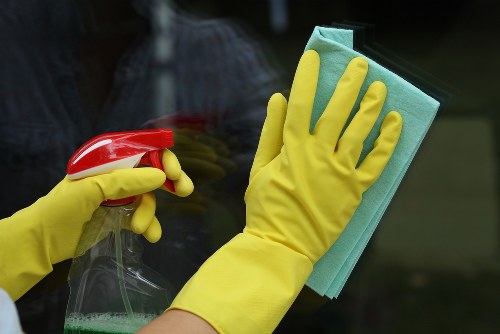
Office cleaning is no longer just about making a workplace look tidy. In today’s fast-moving business environment, it plays a central role in health, productivity, employee morale, and the overall impression your company makes on clients and visitors. A clean workspace supports a more organized mindset, helps reduce the spread of germs, and creates an atmosphere where people can do their best work.
Whether you manage a small startup, a corporate office, a shared workspace, or a professional service firm, office cleaning affects how people experience your brand every day. Dust on desks, streaked glass, overflowing bins, and neglected restrooms can subtly undermine trust and focus. On the other hand, a well-maintained office sends a clear message: this is a business that values quality, care, and professionalism.
The demand for professional office cleaning has also grown because workplaces are more dynamic than ever. People move between meeting rooms, hot desks, common areas, kitchens, and lounges. That means surfaces are touched frequently, allergens can spread more easily, and hygiene needs are higher than in the past. A strong cleaning routine helps keep the office safe, comfortable, and presentable every day.
The Business Benefits of Office Cleaning
1. Better employee health and fewer disruptions

One of the biggest benefits of regular office cleaning is improved health. Workstations, door handles, keyboards, shared desks, and breakroom counters can all harbor bacteria and viruses. Routine disinfection reduces the risk of illness spreading through the office, which can help lower absenteeism and keep operations running smoothly.
Clean air matters too. Dust, mold, and debris can trigger allergies and respiratory discomfort, especially in buildings with limited ventilation. A consistent office cleaning schedule that includes dusting, vacuuming, and proper waste removal supports a healthier indoor environment for staff and visitors alike.
For businesses, this translates into fewer interruptions, more stable attendance, and a workplace where people feel cared for. In other words, office cleaning is not just cosmetic; it is an investment in day-to-day business continuity.
2. A stronger first impression for clients and guests
When visitors walk into an office, they notice the details. Clean floors, polished surfaces, fresh restrooms, and organized reception areas instantly communicate competence and attention to detail. A neglected workplace can create doubt, even if the business itself is excellent. That first impression matters, especially in competitive industries.
What a Professional Office Cleaning Service Typically Includes
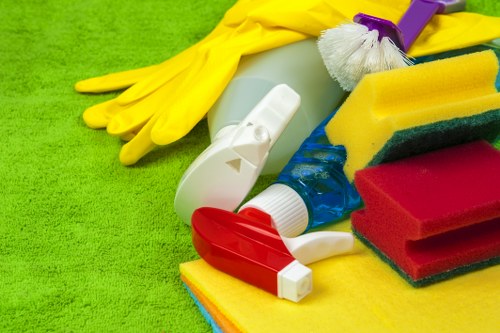
The scope of office cleaning can vary depending on the size of the building, the number of employees, the type of work performed, and the level of traffic in the space. Still, most commercial cleaning programs cover a core set of tasks designed to maintain a clean and hygienic workplace.
Typical office cleaning services may include:
- Dusting desks, shelves, ledges, and décor surfaces
- Vacuuming carpets and rugs
- Mopping hard floors
- Emptying wastebaskets and recycling bins
- Cleaning and disinfecting high-touch surfaces
- Sanitizing restrooms
- Wiping kitchen and breakroom surfaces
- Cleaning glass doors and interior windows
- Maintaining reception and waiting areas
- Spot-cleaning walls and fixtures
Some providers also offer deeper support, such as carpet extraction, floor stripping and waxing, upholstery cleaning, and periodic deep cleaning of shared spaces. For offices with specialized requirements, such as medical, legal, financial, or tech environments, cleaning plans can be customized to match security, compliance, and cleanliness standards.
Why customization matters
Every workplace has different needs. A law office may prioritize client-facing presentation and confidentiality, while a call center may require daily sanitization of headsets, desks, and shared equipment. A flexible office cleaning plan ensures the right tasks are completed at the right frequency, without wasting time or missing important details.
Daily, Weekly, and Monthly Office Cleaning Tasks
Building a practical cleaning schedule
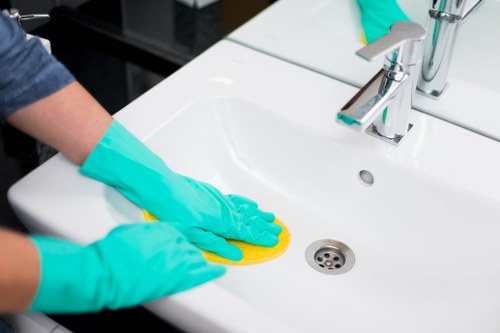
A successful office cleaning routine is usually structured around daily, weekly, and monthly tasks. This approach keeps the workspace consistently clean while preventing larger issues from building up over time. It also makes it easier to track responsibilities and monitor results.
Daily office cleaning tasks
Daily work focuses on the high-traffic, high-touch areas that affect hygiene and appearance most quickly. These tasks typically include:
- Emptying trash and recycling containers
- Sanitizing desks, counters, and shared equipment
- Cleaning restrooms and restocking supplies
- Wiping tables in conference rooms and break areas
- Vacuuming entryways and visible traffic zones
- Disinfecting handles, switches, and touchpoints
This level of maintenance keeps the office looking fresh and helps reduce the buildup of dirt and germs throughout the workday. Daily office cleaning is especially important in open-plan environments where many people share the same surfaces.
Weekly office cleaning tasks
Weekly tasks are more detailed and may include:
- Dusting blinds, vents, and baseboards
- Vacuuming under furniture
- Cleaning interior glass and mirrors
- Polishing furniture and fixtures
- Deep-cleaning kitchen appliances and sinks
- Inspecting storage rooms and less-used spaces
By addressing areas that do not require daily attention, weekly office cleaning helps maintain consistency without overloading the routine.
Monthly or periodic tasks
Monthly office cleaning often focuses on deeper maintenance such as carpet shampooing, floor restoration, deep sanitization, and detailed cleaning of vents, upholstery, and hard-to-reach spaces. These tasks help preserve the office environment, extend the life of fixtures and flooring, and reduce long-term maintenance costs.
How Office Cleaning Supports Productivity
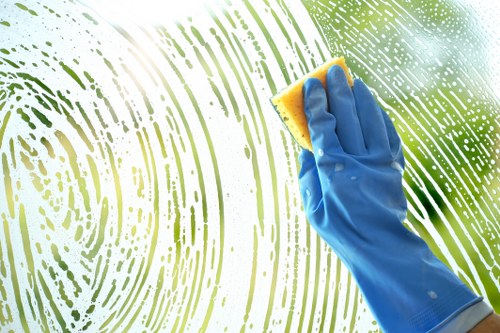
A clean workspace does more than look nice. It can directly improve focus and productivity. Employees working in cluttered or dirty environments often spend extra energy navigating distractions, searching for materials, or dealing with discomfort caused by dust and mess. A tidy office helps people concentrate on their actual work.
Office cleaning can also contribute to better organization. When shared spaces, meeting rooms, and desks are kept clean, it becomes easier to maintain order in documents, devices, and office supplies. That reduces wasted time and supports smoother workflows.
There is also a psychological effect. People generally feel more motivated in spaces that are bright, clean, and fresh. A polished environment signals that management pays attention to standards and values employees’ comfort. That perception can improve morale, especially in workplaces where staff spend long hours indoors.
Reducing mental clutter
Physical clutter often leads to mental clutter. When desks are messy and common areas are neglected, the office can feel chaotic. A strong office cleaning routine creates a sense of calm and structure that helps teams think more clearly and work more efficiently.
Office Cleaning and Workplace Hygiene
Hygiene is one of the most important reasons businesses invest in professional office cleaning. Workplaces bring together many people, which naturally increases the risk of germs spreading through shared touchpoints. Regular cleaning and disinfection are essential for controlling that risk.
High-touch areas deserve special attention. These often include:
- Door handles
- Light switches
- Elevator buttons
- Shared printers
- Conference tables
- Faucets and restroom fixtures
- Microwave handles and refrigerator doors
- Reception counters
Cleaning these surfaces consistently helps lower contamination in busy offices. In addition, a proper hygiene strategy supports employee confidence. Staff are more likely to feel comfortable returning to and working in a space that visibly prioritizes cleanliness.
Another critical aspect is restroom maintenance. Restrooms reflect the overall standard of the workplace. If they are spotless, stocked, and odor-free, visitors and employees gain confidence in the business. If not, the whole office can suffer reputational damage. That is why restroom cleaning is usually one of the most carefully managed parts of any office cleaning program.
Air quality and odor control
Good office cleaning also helps manage odors and improves indoor air quality. Trash accumulation, dirty carpets, damp areas, and neglected kitchen spaces can create unpleasant smells that spread quickly. Regular cleaning, proper ventilation, and timely waste removal help keep the office fresh and welcoming.
Choosing the Right Office Cleaning Approach
In-house cleaning vs professional cleaning services
Businesses usually choose between managing office cleaning internally or hiring professional cleaners. Each option has advantages, but the right choice depends on budget, office size, cleanliness standards, and operational demands.
In-house cleaning may work for smaller offices with limited square footage and basic cleaning needs. It can offer more direct control over schedules and tasks. However, it also requires staffing, training, supervision, supplies, and quality control.
Professional office cleaning is often more efficient for medium and large workplaces. Trained cleaners bring expertise, commercial-grade equipment, and consistent procedures. They understand how to clean different flooring types, sanitize surfaces properly, and work around business hours with minimal disruption.
Questions to ask before hiring a provider
- What services are included in the cleaning plan?
- How often will the office be cleaned?
- Do they use eco-friendly products?
- Can the service be customized for your business?
- How do they handle quality checks and supervision?
- Are after-hours or weekend cleaning options available?
Asking these questions helps you choose a service that fits your workplace needs and supports a higher standard of cleanliness.
Eco-Friendly Office Cleaning Practices
Modern businesses increasingly want office cleaning solutions that are effective and environmentally responsible. Eco-friendly cleaning uses products and methods designed to reduce chemical exposure, limit waste, and support a healthier indoor environment. This approach is especially valuable in offices where employees are sensitive to strong odors or harsh ingredients.
Green office cleaning may include biodegradable products, microfiber cloths, HEPA-filter vacuums, concentrated cleaning solutions, and recycling-conscious waste practices. These methods can clean effectively while reducing the environmental footprint of daily maintenance.
Eco-friendly office cleaning can also support sustainability goals. Businesses that care about corporate responsibility often want their cleaning program to align with broader environmental values. Choosing greener products and efficient routines can be a simple but meaningful step.
Benefits of sustainable cleaning
- Reduced exposure to harsh chemicals
- Improved indoor air quality
- Less packaging waste
- Better alignment with sustainability initiatives
- Safer cleaning for sensitive environments
When implemented properly, sustainability and cleanliness go hand in hand. Businesses do not have to sacrifice performance to choose a more responsible office cleaning strategy.
Seasonal Office Cleaning Considerations
Cleaning needs change throughout the year
Office cleaning is not a static task. It should adapt to seasonal changes, weather conditions, and shifts in workplace traffic. Different times of year create different challenges, from muddy winter floors to higher dust levels in dry seasons.
In colder months, offices may need extra attention at entrances, where salt, slush, and moisture are tracked inside. Mats, floor care, and frequent vacuuming become especially important. In warmer months, increased foot traffic, open windows, and allergens can create a greater need for dust removal and air-quality support.
Seasonal office cleaning may also include deeper attention before and after major events, audits, client visits, or end-of-year closures. These moments are ideal for refreshing the entire office and making sure every area looks its best.
Common seasonal focus areas
- Entrance mats and lobby floors
- Window smudges and interior glass
- Air vents and HVAC dust buildup
- Kitchen and breakroom sanitation
- Carpet care after wet weather
- Storage and archive rooms
Office Cleaning for Different Workplace Types
Not all offices operate the same way, so office cleaning should not be treated as a one-size-fits-all service. The layout, number of employees, client volume, and type of work all influence the cleaning plan.
Small offices
Small offices may need simpler routines, but that does not mean cleaning should be ignored. Limited square footage can still accumulate dust, germs, and clutter quickly. A focused office cleaning schedule can keep the environment professional without unnecessary complexity.
Corporate offices
Larger corporate offices often have multiple floors, shared workstations, cafeterias, conference rooms, and restrooms. These spaces require coordinated office cleaning to ensure consistency across all areas and to avoid missed touchpoints.
Co-working spaces
Shared work environments experience heavy use and constant turnover. Office cleaning in co-working spaces must be frequent, efficient, and adaptable, especially in communal desks, phone booths, kitchens, and lounges.
Professional service offices
Law firms, accounting practices, consulting offices, and similar businesses usually need a clean, polished, client-ready environment. Here, office cleaning often emphasizes presentation, discretion, and regular upkeep of meeting areas and reception spaces.
Signs Your Office Cleaning Routine Needs Improvement
Even with a cleaning schedule in place, some offices develop problems over time. Recognizing the warning signs early can help businesses make improvements before cleanliness issues affect morale or reputation.
Common signs include:
- Persistent odors in common areas
- Visible dust on vents, blinds, or desks
- Dirty restrooms or missing supplies
- Sticky floors or stained carpets
- Overflowing trash bins
- Fingerprints on glass and high-touch surfaces
- Employee complaints about cleanliness
If these issues appear regularly, it may be time to reassess the current office cleaning plan. Sometimes the solution is more frequent service; sometimes it is better training, stronger supervision, or a more experienced provider.
The goal is not only to clean when something looks dirty, but to maintain a consistent standard that prevents problems from becoming noticeable in the first place.
How to Maintain Office Cleanliness Between Professional Visits
Simple habits make a big difference
Professional office cleaning works best when supported by everyday habits from staff and management. Small actions can preserve the cleanliness of the workplace between scheduled services and make the whole environment more manageable.
Helpful practices include:
- Encouraging employees to clear desks daily
- Wiping spills immediately
- Keeping shared kitchen areas tidy
- Using labeled bins for waste and recycling
- Storing office supplies neatly
- Reporting maintenance or sanitation issues quickly
These habits do not replace office cleaning, but they do reinforce it. A workplace culture that values cleanliness is easier to maintain and tends to look better over time.
It also helps to assign basic responsibility for common areas. While a professional team should handle the heavy cleaning, employees can play a role in keeping individual workspaces orderly. This shared commitment creates better results and helps maintain a pleasant office atmosphere.
Why Office Cleaning Is an Investment, Not an Expense
Some businesses see office cleaning as a cost to minimize. In reality, it is better understood as an investment in productivity, staff well-being, brand image, and operational efficiency. Clean offices often experience fewer issues related to illness, clutter, complaints, and premature wear on materials.
Well-maintained flooring, furniture, restrooms, and shared areas also last longer when they are cleaned correctly and consistently. That means office cleaning can help reduce repair and replacement costs over time. It protects both the appearance and the value of the workplace.
Most importantly, cleanliness affects how people feel about the business. Employees notice when their environment is cared for, and clients notice when a company maintains high standards. This makes office cleaning a business decision with real strategic value.
Putting cleanliness at the center of workplace culture
A clean office supports a stronger culture. It encourages respect for shared spaces, improves day-to-day comfort, and reinforces professionalism. When leadership prioritizes office cleaning, that commitment often spreads through the entire organization.
Book your service now if you want a workplace that feels healthier, looks better, and operates more smoothly. Or contact us today to discuss an office cleaning plan that fits your business goals, schedule, and space.
Final Thoughts on Office Cleaning
Office cleaning is one of the simplest ways to improve a business environment, yet it has far-reaching effects. It supports hygiene, productivity, comfort, and trust. It also helps businesses create a polished and professional image that stands out to employees, clients, and visitors.
From daily sanitization to periodic deep cleaning, every part of the process contributes to a better workplace. Whether your office is small or large, traditional or modern, the right cleaning routine can make a lasting difference.
If you want your workspace to feel organized, healthy, and ready for business every day, prioritizing office cleaning is the right move. With a smart plan, the right team, and consistent attention to detail, your office can become a place where people genuinely enjoy working.
Contact us today and take the next step toward a cleaner, more productive office environment.