Deep Cleaning in Home and Business Spaces: A Practical Approach to a Fresher Environment
Why Deep Cleaning Matters More Than Regular Cleaning
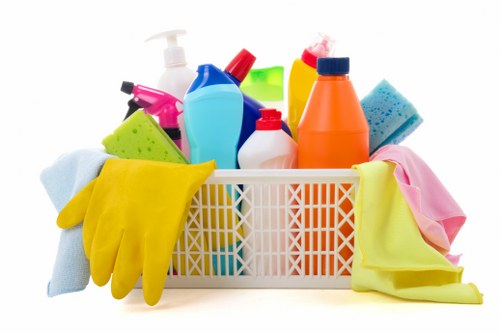
Deep cleaning in homes and commercial spaces goes beyond the surface-level routine that many people do each week. While regular tidying removes visible dirt, a true deep cleaning process targets hidden dust, stubborn grime, bacteria, and buildup in areas that are often overlooked. This makes a noticeable difference not only in appearance but also in hygiene, comfort, and overall indoor air quality.
Many people think of deep cleaning in terms of spring cleaning, but it is valuable all year round. Kitchens, bathrooms, carpets, upholstery, vents, baseboards, and high-touch surfaces all collect debris over time. When these areas are neglected, they can contribute to odors, allergens, and a less healthy environment. A thorough cleaning routine helps restore freshness and creates a space that feels lighter and more organized.
For property owners, tenants, business managers, and families, investing in deep cleaning services or a structured do-it-yourself routine can protect surfaces and extend the life of furnishings and fixtures. It can also reduce the effort needed for daily upkeep. In other words, deep cleaning in any setting is not just about appearance; it is a smart maintenance habit that supports long-term value.
What Deep Cleaning Includes in Different Spaces

The exact scope of deep cleaning in a property depends on the type of space, but the goal remains the same: reach beyond the obvious and clean areas that are often missed. In a home, this may include scrubbing bathroom grout, wiping cabinet interiors, cleaning behind appliances, dusting ceiling fans, and removing buildup from corners and edges.
In an office or retail setting, deep cleaning usually involves sanitizing work surfaces, polishing fixtures, cleaning entryways, refreshing restrooms, and addressing shared spaces such as break rooms and conference areas. Because foot traffic is higher, commercial spaces often need deep cleaning in a more frequent cycle to keep the environment presentable and hygienic.
Here are some common tasks that are often part of a thorough cleaning session:
- Dusting and washing trim, baseboards, and molding
- Cleaning interior windows and window tracks
- Degreasing kitchen appliances and backsplash areas
- Scrubbing tile, sinks, tubs, and shower fixtures
- Vacuuming upholstery and under furniture
- Disinfecting switches, handles, and other touchpoints
Benefits of Deep Cleaning for Health and Comfort

One of the biggest reasons people invest in deep cleaning in their living or working space is the improvement in health and comfort. Dust mites, pet dander, pollen, mold spores, and bacteria can settle in fabrics, corners, and ventilation areas. A detailed cleaning routine removes much of this buildup and helps create a more breathable indoor environment.
For people with allergies, asthma, or sensitivities, a deeper clean can make a significant difference. Cleaner surfaces and reduced dust levels can lessen irritation and support easier breathing. Even for those without specific sensitivities, a clean environment can improve comfort, reduce stress, and make daily routines feel more pleasant.
Deep cleaning in kitchens and bathrooms is especially important because these rooms can harbor germs and moisture. Food residue, soap scum, and damp surfaces create conditions where bacteria and mold can thrive. By addressing these problem areas regularly, you can help maintain a safer and more sanitary space.
Key advantages at a glance
- Better indoor air quality
- Fewer allergens and irritants
- Reduced odors
- Improved surface hygiene
- Longer-lasting fixtures, flooring, and furnishings
- A more comfortable and inviting atmosphere
How Often Should Deep Cleaning Be Done?
The ideal schedule for deep cleaning in a property varies depending on lifestyle, occupancy, and the type of environment. A busy household with children and pets may need a deeper clean more often than a small apartment with minimal traffic. Likewise, a restaurant, clinic, or office building may require a regular commercial cleaning plan to remain in top condition.
A practical approach is to combine routine cleaning with seasonal or monthly deep cleaning tasks. For example, some areas such as bathrooms, kitchens, and entryways may benefit from monthly attention, while less-used spaces may only need quarterly treatment. The key is consistency. A regular schedule prevents grime from becoming overwhelming and keeps maintenance manageable.
To decide how often you need deep cleaning in your space, consider the following factors:
- Number of people using the space each day
- Presence of children, pets, or high traffic
- Humidity levels and ventilation quality
- Type of flooring, upholstery, and materials
- Whether the space is residential or commercial
Room-by-Room Deep Cleaning Priorities
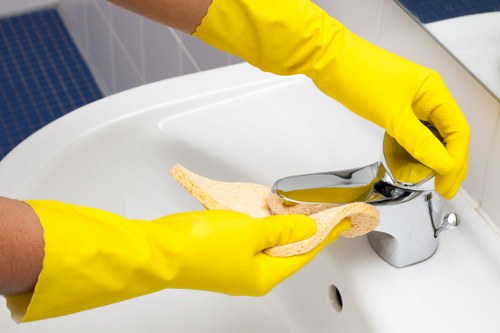
Breaking the process down by room makes deep cleaning in any property more manageable. Instead of trying to tackle everything at once, focus on one area at a time and work from top to bottom. This method saves time and helps prevent missed spots.
Kitchen
Kitchen cleaning should focus on grease, food spills, and hidden residue. Wipe down cabinet fronts, clean the inside of the microwave, scrub sinks, degrease stovetops, and pull appliances away from walls when possible to clean behind and underneath them. A deep cleaning in the kitchen also includes sanitizing trash bins and cleaning faucet handles, which are frequently touched.
Bathroom
Bathrooms need special attention because moisture can lead to soap scum, mildew, and mineral buildup. Scrub tile grout, disinfect toilets, polish mirrors, and clean drains to reduce odors and buildup. Pay attention to corners, caulking, and ventilation fans, as these areas often trap dust and humidity.
Living Room and Bedrooms
In living spaces, focus on dusting blinds, lamps, shelves, vents, and furniture. Vacuum under beds and sofas, and clean upholstery or cushions where dust accumulates. If carpets are present, a deep cleaning in these areas may include steam cleaning or shampooing to remove embedded debris.
Additional room priorities
- Entryways: clean mats, wipe doors, and remove tracked-in dirt
- Laundry areas: dust appliances, wipe surfaces, and check lint buildup
- Closets: vacuum floors and remove unused items
- Home office spaces: sanitize keyboards, desks, and shared equipment
Tools and Products That Support Better Results

The right tools can make deep cleaning in any setting faster, safer, and more effective. While many tasks can be completed with basic supplies, using quality tools helps improve results and reduce physical strain. Microfiber cloths, scrub brushes, vacuum attachments, mop systems, and extendable dusters are all helpful additions.
Cleaning products should match the surface and the type of soil being removed. For example, a degreaser works well in the kitchen, while a disinfectant is useful on high-touch surfaces. Always check labels and follow instructions to avoid damage to finishes or fabrics. If you prefer more natural methods, vinegar, baking soda, and mild soap can support many deep cleaning in routines, though they may not replace disinfectants when sanitization is needed.
Useful supplies often include:
- Microfiber cloths and dusters
- All-purpose cleaner
- Disinfectant spray or wipes
- Glass cleaner
- Degreaser for kitchen surfaces
- Grout brush or scrub pad
- Vacuum with attachments
- Bucket, mop, and floor-safe solution
Deep Cleaning in Homes: A Smart Seasonal Habit
Seasonal cleaning routines are one of the best ways to maintain a healthy home. When the weather changes, people often notice dust, clutter, or buildup that has collected over time. This makes it a good moment to reset the space. A focused deep cleaning in spring, summer, fall, or winter can refresh the home and prepare it for the next season.
Seasonal cleaning can also support organization. As you dust shelves, clean closets, and clear hidden corners, you naturally come across items you no longer use. This creates an opportunity to sort, donate, or discard belongings and make the home feel more open. The combination of cleaning and decluttering is powerful because it improves both cleanliness and functionality.
Many households find that a seasonal deep clean is easier to manage when divided into stages. Instead of cleaning every room in one day, assign tasks across several sessions. This approach keeps motivation high and helps ensure that the process is done carefully, not rushed.
Deep Cleaning in Commercial Spaces: Why Presentation Matters
In business environments, first impressions matter. A clean workplace communicates professionalism, attention to detail, and care for staff and visitors. Deep cleaning in commercial spaces supports this image while also promoting a healthier environment for employees and customers.
Offices, medical suites, hospitality venues, and retail stores all experience different cleaning challenges. Shared desks, waiting areas, restrooms, high-traffic floors, and customer-facing surfaces can become dirty quickly. Regular maintenance may handle the basics, but a more detailed process is essential to remove buildup and restore the space fully.
For businesses, deep cleaning can also help maintain equipment and furniture. Dust and residue can affect electronics, damage finishes, and shorten the life of carpets and upholstery. By prioritizing deep cleaning in the workplace, owners and managers can protect their investment and support a better environment for everyone.
Common commercial focus areas
- Reception desks and waiting areas
- Restrooms and break rooms
- Floor care and edge cleaning
- Glass, doors, and partitions
- Shared equipment and high-touch surfaces
- Storage rooms and back-office spaces
DIY Deep Cleaning vs. Professional Service
Some people prefer to handle deep cleaning in their property on their own, while others choose professional help. Both options can be effective, depending on time, budget, and the scale of the job. DIY cleaning works well for routine upkeep, smaller homes, and specific tasks that do not require specialized equipment.
Professional services are often a better choice when the space is large, heavily used, or needs more intensive treatment. Trained cleaners may use commercial-grade equipment, stronger products, and efficient methods that deliver better results in less time. This can be especially helpful for carpets, hard-to-reach areas, post-renovation cleanup, or move-in and move-out situations.
If you are deciding between the two, ask yourself whether the job requires more time, more tools, or more expertise than you can reasonably manage. In many cases, a hybrid approach works best: maintain routine cleaning yourself and schedule professional deep cleaning in your home or business when needed.
When to consider professional help
- When buildup is heavy or long-standing
- When there are difficult stains or odors
- When the property is very large or busy
- When you need a faster turnaround
- When specialized equipment is necessary
How to Prepare for a Deep Cleaning Session
Preparation makes deep cleaning in any space more efficient. Before beginning, remove clutter from countertops, floors, and furniture so you can access the surfaces that need attention. Gather all supplies in one place and make a checklist of the rooms and tasks you want to complete.
It also helps to work from top to bottom. Dust ceiling fans, shelves, and high surfaces first so debris falls to the floor before vacuuming or mopping. This simple strategy prevents unnecessary rework and creates a cleaner finish. For larger jobs, consider dividing the cleaning into zones or time blocks to stay organized.
If you are cleaning a home with children or pets, plan ahead for safety. Keep chemicals out of reach, ventilate the area where possible, and store tools securely when not in use. A well-prepared deep cleaning in routine is not only more effective but also more comfortable to complete.
Common Mistakes to Avoid During Deep Cleaning
Even with good intentions, some mistakes can reduce the effectiveness of deep cleaning in a property. One common issue is rushing through hidden areas. If you only clean visible surfaces, you may miss the buildup that causes odors, dust, and recurring mess. Another mistake is using the wrong product on delicate materials, which can lead to damage or discoloration.
Skipping ventilation is another problem, especially when using strong cleaners. Fresh air helps reduce odor and prevents fumes from lingering. It is also important not to forget frequent contact points such as handles, switches, and remotes. These small details are easy to overlook, but they matter in any thorough cleaning process.
To get better results, be methodical, patient, and realistic about the time required. A careful deep cleaning in home or business spaces is usually more effective than a fast, surface-level effort.
Simple reminders
- Do not mix chemicals unless labels allow it
- Test products on small areas first
- Let cleaners sit long enough to work
- Use clean cloths and change them when needed
- Follow a logical cleaning order
Making Deep Cleaning Part of Regular Maintenance
The best way to keep a property looking and feeling its best is to treat deep cleaning in as part of a regular maintenance plan, not an occasional emergency task. When you stay ahead of dirt and buildup, every cleaning session becomes easier and more manageable. Surfaces last longer, rooms stay fresher, and the overall environment feels more welcoming.
A strong maintenance routine usually includes daily tidying, weekly cleaning, and periodic deeper work. Daily habits may include wiping counters, putting items away, and sweeping high-traffic areas. Weekly tasks can focus on bathrooms, kitchens, and floors. Monthly or seasonal deep cleaning can then target hidden dust, interior appliances, vents, and detailed surface care.
Over time, this layered approach saves both time and effort. It also makes deep cleaning in your property feel less overwhelming because the buildup never gets out of hand. Whether you are caring for a home, office, or rental property, consistency is the real key to lasting cleanliness.
Final Thoughts on Deep Cleaning for Better Living and Working Spaces
Deep cleaning in any environment is about more than neatness. It supports health, comfort, appearance, and long-term upkeep. When done well, it transforms a space from merely tidy to genuinely refreshed. It can improve the way a room looks, smells, and functions, making it easier to enjoy and maintain.
Whether you are handling the work yourself or planning to book a professional service, the important thing is to stay consistent and intentional. Focus on neglected spaces, use the right tools, and follow a schedule that fits your lifestyle or business needs. A little planning goes a long way in creating better results.
If your home or workplace is overdue for a reset, now is the right time to act. Book your service now or contact us today to take the next step toward a cleaner, healthier, and more comfortable space.