End of Tenancy Cleaning: A Complete, SEO-Friendly Overview for Tenants, Landlords, and Letting Agents
What End of Tenancy Cleaning Means and Why It Matters

End of tenancy cleaning is the detailed cleaning carried out when a tenant moves out of a rented property. It goes beyond regular weekly housekeeping and focuses on restoring the home to a condition that meets the expectations of landlords, letting agents, and new occupants. In many rental agreements, the property must be returned in a professionally cleaned state, which makes end of tenancy cleaning a crucial step in the move-out process.
For tenants, this type of cleaning can directly affect the return of the deposit. For landlords, it helps prepare the property for the next tenancy quickly and efficiently. For letting agents, it reduces the time spent on inspections, complaints, and re-cleaning requests. In short, end of tenancy cleaning helps everyone involved avoid delays, disputes, and extra costs.
It is also worth noting that expectations are often higher than people assume. A property may look clean at first glance, but professional standards usually require attention to hidden grime, appliance interiors, skirting boards, and other neglected areas. That is why many people search for end of tenancy cleaning services when moving out, especially if they want a smooth handover and fewer complications during the final inspection.
Why End of Tenancy Cleaning Is Important for Deposit Protection

One of the biggest reasons tenants book end of tenancy cleaning is deposit protection. In most rental situations, the deposit acts as security against damage, unpaid rent, or insufficient cleanliness. If the property is not cleaned to the expected standard, deductions may be made to cover professional cleaning or additional labour.
Deposit disputes often arise when tenants believe they have cleaned thoroughly, but the landlord or agency disagrees. This is especially common when appliances are dirty, limescale is visible, carpets are stained, or bathroom fixtures are not properly sanitised. A high-quality end of tenancy cleaning approach helps reduce this risk and provides a better chance of receiving the full deposit back.
To improve the outcome of the final inspection, tenants should focus on both visible surfaces and detail work. End of tenancy cleaning is not just about wiping down countertops; it includes deep-cleaning kitchens, bathrooms, and often overlooked spaces. A property presented in excellent condition gives a stronger impression and can support a faster deposit release.
What Is Usually Included in End of Tenancy Cleaning?

The exact checklist for end of tenancy cleaning may vary depending on the property, but most services cover all key living areas. Kitchens and bathrooms usually require the most attention because they accumulate grease, moisture, and residue more quickly than other rooms. Bedrooms, hallways, living rooms, and utility spaces also need detailed care.
A standard end of tenancy cleaning checklist often includes dusting, vacuuming, mopping, wiping surfaces, cleaning inside cupboards, descaling taps, sanitising sinks, and removing cobwebs. Many landlords expect ovens, extractor fans, and fridge interiors to be cleaned thoroughly as well. Carpets may need vacuuming or steam cleaning, while hard floors should be free from marks and build-up.
Some properties require additional tasks such as cleaning windows from the inside, polishing mirrors, removing limescale from shower screens, and washing doors, handles, and light switches. These smaller details matter because they show that the property has been left in a move-out ready condition. The more complete the end of tenancy cleaning, the fewer issues there are during inspection.
Rooms and Areas That Need Special Attention
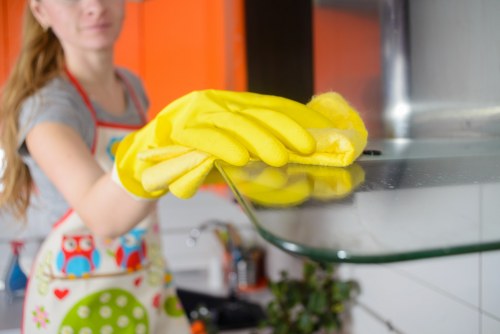
Kitchens are often the most demanding part of end of tenancy cleaning. Grease can build up on cabinets, splashbacks, and extractor fans, while ovens may require deep degreasing. Fridges, freezers, microwaves, and dishwashers must also be cleaned inside and out if they are included in the tenancy. A spotless kitchen makes a strong difference to the overall presentation of the property.
Bathrooms need intensive cleaning because they are prone to limescale, soap scum, mould, and water marks. Toilets, sinks, bathtubs, showers, tiles, and glass screens should be descaled and sanitised. Many professional end of tenancy cleaning services pay special attention to seals, taps, drains, and grout to ensure the bathroom looks fresh and hygienic.
Living areas and bedrooms may seem simpler, but they still require careful work. Skirting boards, sockets, switches, doors, wardrobes, shelves, and window ledges should be wiped clean. Dusting behind furniture, vacuuming carpets, and removing marks from walls can greatly improve the result. When these areas are properly handled, the overall end of tenancy cleaning standard becomes much more impressive.
Other spaces often forgotten
Storage cupboards, utility rooms, entrances, and hallways are frequently overlooked. These areas can collect dust, shoe marks, and general debris. A detailed end of tenancy cleaning process should include these spaces so the whole property feels uniformly clean rather than partially finished.
DIY End of Tenancy Cleaning or Professional Service?
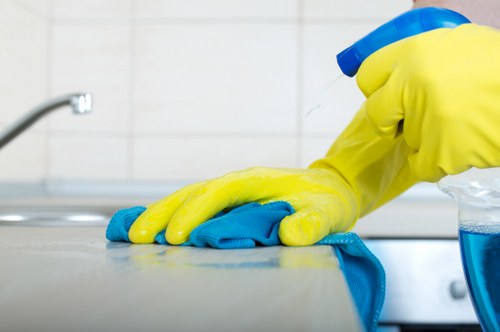
Many tenants wonder whether to do the cleaning themselves or hire professionals. Both options can work, but the best choice depends on time, budget, and the condition of the property. A DIY approach may be suitable for smaller homes or for tenants who are highly organised and comfortable handling deep cleaning tasks. However, it can be time-consuming and physically demanding.
Professional end of tenancy cleaning services are often chosen when the property is large, the tenancy has lasted a long time, or the tenant is already busy with packing and moving. Professionals usually bring specialist equipment, effective cleaning products, and experience in meeting landlord expectations. This can be especially useful when a property must be cleaned thoroughly within a short period.
There is also peace of mind to consider. Hiring a reputable end of tenancy cleaning team can reduce stress and help avoid missed areas. If the tenancy agreement or inventory report is strict, professional cleaning may be the safer option. For many households, the convenience and quality of a specialist service justify the cost, especially when a deposit return is on the line.
How to decide between DIY and professional cleaning
- Choose DIY if the property is small and the condition is manageable.
- Choose professionals if carpets, ovens, or bathrooms need deep treatment.
- Choose professionals if you are short on time before the handover.
- Choose DIY if the tenancy agreement has flexible cleaning expectations.
- Choose professionals if you want a higher chance of passing inspection first time.
End of Tenancy Cleaning Checklist for a Better Final Inspection
A structured checklist makes end of tenancy cleaning much easier to manage. Instead of rushing from room to room, tenants can break the work into practical tasks and track progress clearly. The aim is to leave the property spotless, hygienic, and ready for the next occupant.
Kitchen checklist
- Clean inside and outside all cupboards.
- Degrease the oven, hob, and extractor fan.
- Wipe splashbacks, countertops, and tiles.
- Clean fridge, freezer, and microwave interiors.
- Remove limescale and food residue from sinks and taps.
- Vacuum and mop the floor thoroughly.
Bathroom checklist
- Descale shower screens, taps, and tiles.
- Scrub toilet bowls, seats, and bases.
- Clean sinks, baths, and drains.
- Remove mould from edges and seals where possible.
- Polish mirrors and glass surfaces.
- Sanitise all fittings and fixtures.
General room checklist
- Dust shelves, skirting boards, and ledges.
- Vacuum carpets and rugs.
- Wash hard floors and remove marks.
- Clean doors, handles, switches, and sockets.
- Wipe interior windows and frames.
- Remove cobwebs from corners and ceilings.
Using a checklist not only improves results but also helps prevent last-minute panic. A systematic end of tenancy cleaning plan ensures that every important area is covered before the keys are returned.
How to Prepare the Property Before Cleaning Starts
Preparation plays a major role in successful end of tenancy cleaning. Before any deep cleaning begins, the property should be cleared of personal belongings, rubbish, and packed boxes. Cleaning around clutter wastes time and makes it more difficult to reach corners, shelves, and hidden surfaces.
It is also wise to defrost freezers in advance, disconnect appliances if needed, and make sure the electricity and water supply remain available for cleaning tasks. If the tenancy includes furniture, moving items away from walls can reveal dust and marks that need attention. Proper preparation makes end of tenancy cleaning faster and more effective.
Tenants should also review the inventory report, tenancy agreement, and any written cleaning requirements. Some properties have very specific expectations, such as professional carpet cleaning or oven cleaning. Knowing these details ahead of time avoids missed tasks and helps ensure the end of tenancy cleaning matches the landlord’s standards.
Common Mistakes to Avoid During End of Tenancy Cleaning
Even with good intentions, tenants often make mistakes that can affect the final inspection. One common error is focusing only on visible dirt and ignoring hidden areas. Another is leaving cleaning until the very last day, which can create unnecessary pressure and reduce the quality of the result.
Some people also use the wrong products on delicate surfaces. For example, abrasive cleaners may damage worktops, mirrors, or stainless steel, while too much water can leave streaks or cause floor issues. A careful end of tenancy cleaning approach should always suit the material being cleaned. Test products where needed and follow manufacturer instructions.
Another frequent mistake is assuming that a quick tidy-up is enough. In reality, end of tenancy cleaning often involves deep cleaning behind appliances, removing stains, sanitising fittings, and dealing with build-up that has accumulated over months or years. Skipping these steps can result in cleaning deductions or an unsatisfactory handover.
Key mistakes to avoid
- Leaving cleaning until moving day.
- Forgetting appliances, cupboards, and skirting boards.
- Using harsh chemicals without checking surfaces first.
- Ignoring limescale, mould, and grease build-up.
- Overlooking outdoor or communal areas if included in the tenancy.
How End of Tenancy Cleaning Helps Landlords and Letting Agents
End of tenancy cleaning is not only about tenant obligations. It also supports landlords and letting agents by making property turnover smoother. A properly cleaned home can be photographed more easily, advertised faster, and prepared for viewings without delay. This is especially useful in competitive rental markets where time matters.
Landlords benefit from better property care and fewer complaints from incoming tenants. A clean property creates a strong first impression and can make future tenants feel more confident about the home’s condition. Letting agents also benefit because end of tenancy cleaning reduces the need for repeated inspections and unresolved disputes over cleanliness.
For all parties, cleanliness is part of property management quality. When the outgoing tenant completes a thorough end of tenancy cleaning, the transition to the next tenancy becomes smoother and more professional. This can help establish trust and reduce unnecessary friction during move-out.
Top Tips for a Smooth End of Tenancy Cleaning Experience
Planning ahead is one of the best ways to make end of tenancy cleaning less stressful. Start early, create a room-by-room checklist, and set aside enough time for deep cleaning tasks. If possible, begin with the least-used rooms and leave kitchens and bathrooms for later, as they often require more effort.
Using the right supplies matters too. Microfibre cloths, sponges, descaling spray, degreaser, glass cleaner, and vacuum attachments can make a big difference. If carpets need attention, consider steam cleaning or professional support. A well-equipped end of tenancy cleaning session usually produces better results with less wasted effort.
It also helps to work from top to bottom. Dust ceilings, light fixtures, and shelves before wiping lower surfaces and floors. This prevents dust from settling onto already cleaned areas. A logical order keeps end of tenancy cleaning efficient and reduces the chance of redoing tasks.
Practical cleaning tips
- Open windows for ventilation while cleaning.
- Use separate cloths for kitchen and bathroom tasks.
- Clean one room fully before moving to the next.
- Take photos after cleaning for your records.
- Check every room with the lights on and off for missed spots.
Why End of Tenancy Cleaning Is Worth the Effort
At first, end of tenancy cleaning may seem like one more task during an already hectic move. In reality, it is one of the most valuable things a tenant can do before handing back the keys. A clean property supports deposit recovery, reduces disputes, and creates a positive final impression.
It also provides peace of mind. Knowing that every room has been cleaned properly makes the moving process feel more complete. Whether the work is done personally or through a professional end of tenancy cleaning service, the result is the same: a property that is ready for inspection and the next chapter.
In many cases, the cost of skipping proper cleaning is higher than the effort required to do it right. Deductions, complaints, and re-cleaning requests can all be avoided by taking the time to complete a thorough end of tenancy cleaning process. That makes it not just a practical step, but a smart one.
Final Thoughts on End of Tenancy Cleaning
End of tenancy cleaning is a key part of moving out of a rented home and should never be treated as a minor detail. It influences deposit returns, landlord satisfaction, and the overall smoothness of the tenancy transition. A well-cleaned property reflects care, responsibility, and professionalism.
Whether you are a tenant preparing for an inspection, a landlord readying a property for new occupants, or a letting agent managing a handover, the value of end of tenancy cleaning is clear. It saves time, reduces tension, and ensures the property is presented at its best. From kitchens and bathrooms to hidden corners and fixtures, every detail counts.
If you are approaching the end of a tenancy and want a stress-free move-out, take action early, follow a structured checklist, and consider expert support where needed. Contact us today to discuss your cleaning needs, or book your service now to make your move-out easier and more efficient.
Quick recap
End of tenancy cleaning is about more than appearance. It protects deposits, supports smooth property handovers, and leaves a strong final impression. With the right planning, tools, and attention to detail, the process becomes manageable and rewarding.