Communal Area Cleaning: Creating Safer, Healthier Shared Spaces
Communal area cleaning is one of the most important services for residential buildings, offices, apartment blocks, student housing, and mixed-use properties. Shared spaces are the first areas people notice, and they shape the overall impression of a building. When these areas are clean, organized, and well maintained, they support hygiene, comfort, safety, and pride in the property. When they are neglected, they can quickly become a source of stress, complaints, and avoidable health concerns.
Whether you manage a small residential block or a large commercial complex, communal area cleaning plays a direct role in how people experience the space. Lobbies, stairwells, hallways, lift interiors, entrance mats, mail areas, and shared kitchens all need regular attention. A clean communal area does more than look good; it helps reduce germs, control odors, protect surfaces, and create a more welcoming atmosphere for residents, staff, and visitors.
Why does this matter so much? Because shared environments are used by many people every day. Dirt is tracked in from outside, fingerprints appear on glass and doors, dust gathers in corners, and high-touch surfaces collect bacteria quickly. Without a structured cleaning plan, these spaces lose their appeal fast. Professional communal area cleaning helps maintain standards consistently, which is especially important in properties where first impressions and safety standards matter.
What Communal Area Cleaning Includes
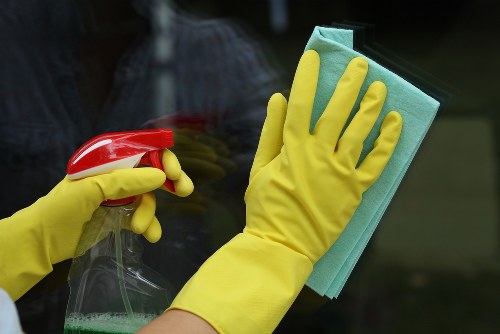
Communal area cleaning covers every shared zone in a property, not just the most visible parts. It includes routine tasks and deep-cleaning procedures designed to keep high-traffic areas in excellent condition. In practical terms, this type of cleaning supports both appearance and hygiene, making shared environments feel cared for and pleasant to use.
Typical communal area cleaning tasks include sweeping, vacuuming, mopping, sanitizing, dusting, waste removal, and spot cleaning. Depending on the building, it may also include window cleaning, polishing handrails, disinfecting elevator buttons, cleaning entry mats, and maintaining shared amenities. The exact scope often depends on the property type, footfall, and occupant expectations.
Effective communal area cleaning is usually planned around usage patterns. For example, a busy apartment block may need daily hallway cleaning, while an office building may require multiple cleans each day in reception and restroom-adjacent communal zones. The goal is simple: keep spaces presentable, hygienic, and safe for everyone who passes through them.
Why Communal Area Cleaning Matters

Shared areas see more wear and tear than private rooms, which makes regular maintenance essential. Dust, litter, mud, spills, and scuffs can build up quickly, especially in buildings with heavy foot traffic. Communal area cleaning prevents minor issues from becoming bigger ones and helps preserve the condition of flooring, fixtures, and furnishings.
There is also a strong health and hygiene benefit. Shared surfaces are touched frequently, often by dozens or even hundreds of people every day. Door handles, lift buttons, bannisters, switches, and reception counters can easily become hotspots for contamination. Regular cleaning and disinfection help reduce the spread of germs and support a healthier environment.
Another major reason is safety. Dirty or cluttered communal spaces can create slip hazards, block emergency pathways, and make navigation more difficult. Good cleaning practices help keep walkways clear, reduce the chance of accidents, and support compliance with building management expectations. In addition, clean surroundings can improve morale and create a more respectful shared culture among occupants.
Key Areas Covered in Communal Area Cleaning
Every building is different, but most communal area cleaning plans focus on a core set of spaces. These areas are typically the ones people use most frequently or notice first when they enter the property. A well-designed cleaning schedule ensures no important spot is overlooked.
Some of the most common areas include:
- Entrance lobbies and reception spaces
- Hallways and corridors
- Staircases and handrails
- Lifts and elevator doors
- Shared kitchens and break areas
- Mailrooms and parcel storage areas
- Washrooms and changing areas
- Shared lounges, waiting rooms, and meeting spaces
In many properties, communal area cleaning also extends to exterior entrances, doorstep mats, bins, bicycle storage rooms, and communal utility spaces. The more carefully these areas are maintained, the more polished and professional the entire property appears.
Benefits of Professional Communal Area Cleaning
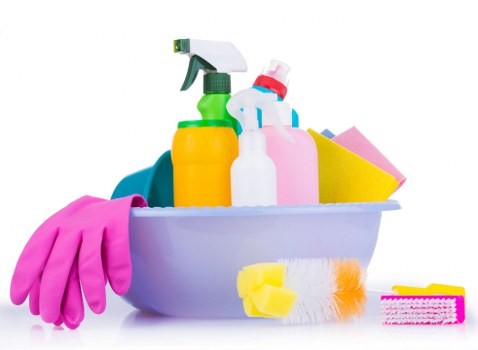
Hiring a professional team for communal area cleaning offers advantages that go beyond simple convenience. Experienced cleaners understand how to handle different surfaces, traffic levels, and hygiene requirements. They also work with a consistent system, which helps ensure that no area is forgotten and that standards remain high throughout the week.
One of the biggest benefits is reliability. A professional service follows a schedule, uses the right products, and applies proven methods. This is especially useful in buildings where residents or employees expect the same level of cleanliness every day. Reliable communal area cleaning reduces complaints and helps property managers maintain trust.
Professional services also save time for building managers and occupants. Instead of relying on ad hoc cleaning or informal arrangements, a structured service keeps everything running smoothly. In many cases, this leads to better long-term results because surfaces are maintained before dirt becomes embedded or damage begins to show. Consistency is one of the most valuable outcomes of good communal area cleaning.
Communal Area Cleaning for Different Property Types
Not all buildings have the same cleaning needs. The right communal area cleaning plan should reflect how the property is used, who uses it, and how much traffic it receives each day. A residential apartment block, for instance, may need different attention than a corporate office or student accommodation building.
In residential properties, the focus is often on hallways, stairs, entrances, and lift areas. Residents expect these spaces to be tidy, odor-free, and safe to navigate. In office buildings, the emphasis may include reception areas, shared kitchens, meeting corridors, and washroom-adjacent zones. Student housing often requires frequent waste removal, stain treatment, and sanitization because of high occupancy and shared amenities.
Commercial and mixed-use properties may require more complex arrangements. They often serve multiple groups with different schedules and expectations. In these settings, communal area cleaning must be flexible and responsive, with extra attention paid to peak times, public-facing spaces, and areas that gather dirt quickly.
What a Good Communal Area Cleaning Schedule Looks Like
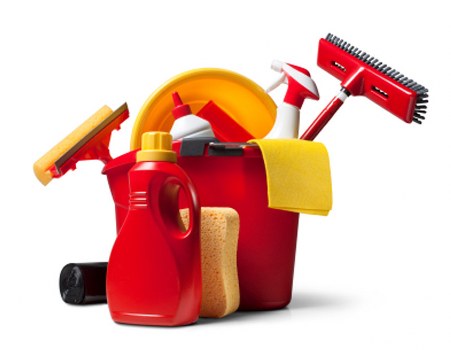
A strong cleaning schedule is the backbone of effective communal area cleaning. Without a plan, tasks can be missed, standards may vary, and areas that matter most can quickly look neglected. A structured timetable helps ensure that routine tasks happen on time and that deeper cleaning is built into the service.
Daily cleaning tasks usually include sweeping, mopping, wiping surfaces, removing litter, emptying bins, and cleaning visible marks from glass or doors. Weekly tasks may involve more detailed dusting, polishing, cleaning skirting boards, and disinfecting high-touch points more thoroughly. Monthly or periodic tasks often include deep cleaning floors, washing internal windows, and addressing hard-to-reach spots.
Below is a simple example of how communal area cleaning can be structured:
- Daily: entrance, floors, bins, touchpoints, and visible dirt removal
- Weekly: handrails, glass, skirting, corners, and detailed sanitation
- Monthly: deeper floor treatment, fixtures, vents, and less accessible surfaces
- Seasonal: extra attention during wet weather, pollen season, or holiday traffic spikes
This type of schedule helps create predictable, measurable results. It also makes it easier for property managers to review performance and adjust cleaning frequency when traffic levels change.
High-Touch Areas That Need Extra Attention
High-touch zones deserve special focus because they are among the most frequently used and most likely to spread germs. In communal area cleaning, these spots are prioritized for wiping and disinfection. Typical examples include lift buttons, door handles, bannisters, intercoms, light switches, and shared counters.
Because these surfaces are handled by many people throughout the day, it is important to clean them with the right products and at the right intervals. A quick visual clean is not always enough. Proper disinfection helps maintain a healthier environment and supports the overall hygiene of the building.
For properties with children, elderly residents, healthcare visitors, or large numbers of employees, high-touch cleaning becomes even more important. These areas should be checked regularly and included in every scheduled communal area cleaning visit.
Tools, Products, and Methods Used in Communal Area Cleaning
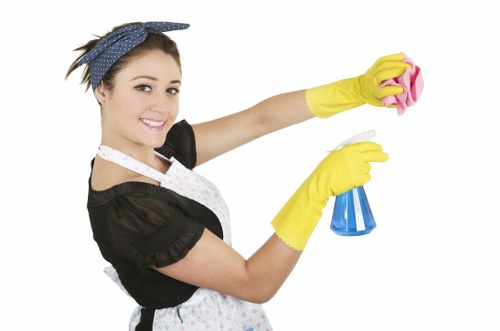
The quality of communal area cleaning depends heavily on the tools and products used. Different surfaces require different care, and using the wrong product can damage finishes or leave residue. Professional cleaners typically select materials based on safety, durability, and the needs of the building.
Common tools include microfiber cloths, mops, vacuum cleaners, sweepers, scrubbers, and dusters. For sanitation, cleaners may use approved disinfectants, deodorizing products, glass cleaners, and floor-safe detergents. In some buildings, eco-friendly cleaning products are preferred because they reduce harsh chemical exposure and support a more sustainable maintenance strategy.
Methods also matter. Good communal area cleaning is systematic rather than random. Cleaners usually work from top to bottom and from clean areas toward dirtier ones. This reduces cross-contamination and improves efficiency. Careful technique, not just effort, is what creates great results.
How Communal Area Cleaning Supports Building Value
Well-maintained communal areas can influence how people perceive the value of a property. Clean, fresh, and orderly shared spaces suggest that the building is managed properly and that the occupants are respected. This perception can matter to tenants, visitors, prospective buyers, and even staff members.
For landlords and property managers, consistent communal area cleaning can also help protect surfaces and reduce long-term maintenance costs. Dirt and grime can wear down flooring, stain walls, and dull fixtures over time. By cleaning regularly, you help extend the life of these assets and reduce the need for expensive repairs or replacements.
In addition, a building that looks well cared for may enjoy stronger tenant satisfaction and better occupancy retention. People are more likely to stay in places where shared spaces feel pleasant and professionally maintained. In that sense, cleanliness is both a comfort factor and a value factor.
Seasonal Challenges in Communal Area Cleaning
Different times of year bring different cleaning challenges. During wet or snowy seasons, communal entrances and corridors often collect mud, salt, and moisture from shoes and umbrellas. In warmer months, dust, pollen, and outdoor debris can become more noticeable. A flexible communal area cleaning plan helps address these seasonal changes without compromising standards.
In winter, extra mat cleaning, floor drying, and entrance maintenance are especially important. In spring and summer, dusting, ventilation checks, and odor control may need more attention. Autumn can bring fallen leaves and increased debris at entry points. The best communal area cleaning services adapt to these conditions and adjust frequency or methods accordingly.
Seasonal planning also helps with special events or occupancy changes. For example, holiday periods, move-ins, or building renovations may create extra mess and require temporary increases in cleaning coverage. A responsive approach keeps shared spaces looking their best all year round.
Signs Your Communal Area Cleaning Needs Improvement
Sometimes, it is easy to spot when a cleaning plan is not working. If residents, staff, or visitors begin noticing odors, dusty corners, stained carpets, or overflowing bins, it may be time to review the service. Uneven results, missed areas, and repeated complaints are strong signs that the schedule or method needs improvement.
Another warning sign is visible wear in high-traffic zones. Scuffed floors, cloudy glass, sticky surfaces, and buildup around skirting boards often point to insufficient cleaning frequency or poor attention to detail. Strong communal area cleaning should make these issues less common, not more frequent.
If you see recurring problems, it may help to reassess the scope of work. Sometimes the issue is not the effort itself but the lack of a tailored plan. In many cases, a better schedule, improved products, or more frequent visits can make a noticeable difference.
Best Practices for Managing Communal Area Cleaning
Property managers and building supervisors can improve results by applying a few simple best practices. The first is to establish a clear cleaning checklist for each shared area. This creates accountability and makes it easier to confirm that all tasks have been completed.
Another useful practice is to match cleaning frequency to traffic levels. A busy entrance may need daily attention, while a less-used storage corridor may require less frequent service. This approach ensures that resources are used wisely without sacrificing quality where it matters most.
It is also smart to review cleaning performance regularly. Walkthrough inspections, feedback logs, and visual checks can help identify areas for improvement. When communal area cleaning is monitored consistently, standards tend to remain higher over time.
- Create a room-by-room checklist
- Set cleaning priorities for high-traffic areas
- Use safe, appropriate products for each surface
- Keep communication clear between managers and cleaners
- Review and update the schedule when usage changes
The Role of Hygiene in Shared Spaces
Hygiene is at the heart of communal area cleaning. Shared environments naturally carry more exposure to germs because many people touch the same surfaces and walk through the same spaces every day. Regular cleaning reduces the buildup of bacteria, allergens, dust, and unpleasant odors.
Hygiene also affects how comfortable people feel using the building. A tidy, fresh-smelling entrance or corridor creates a better experience than one that feels neglected. For many occupants, this is not a luxury; it is part of what makes the property livable or workable.
Good hygiene practices in communal areas help support everyday wellbeing. They reduce risk, improve comfort, and strengthen the overall impression of the property.
Why Communication Matters in Cleaning Plans
Clear communication between managers, occupants, and cleaning teams is an important part of successful communal area cleaning. When expectations are understood, it becomes easier to maintain standards and respond to problems quickly. For example, residents may need to know when floors are wet, or staff may need notice before a deep-cleaning session begins.
Communication also helps cleaners understand recurring issues. If a certain area becomes dirty faster than expected, or if waste builds up after a particular time of day, the schedule can be adjusted. This makes the service more effective and more efficient.
Transparent communication supports a better experience for everyone. It encourages cooperation, reduces confusion, and helps shared spaces remain clean with less friction.
Choosing the Right Communal Area Cleaning Approach
There is no one-size-fits-all solution when it comes to communal area cleaning. The right approach depends on building size, occupancy, traffic volume, and the expectations of the people using the space. The most successful cleaning plans are customized rather than generic.
When choosing a cleaning approach, it helps to consider the following:
- How many people use the shared spaces each day
- Which areas are most visible or most heavily touched
- What type of flooring, fixtures, and surfaces are present
- Whether the property needs daily, weekly, or mixed-frequency service
- Whether sustainability or low-odor products are preferred
By focusing on these factors, property managers can create a cleaning plan that is both practical and effective. The result is a building that feels cleaner, safer, and easier to maintain.
Final Thoughts on Communal Area Cleaning
Communal area cleaning is not just about appearances. It supports hygiene, safety, comfort, and property value. Shared spaces are used constantly, which means they need consistent care to stay inviting and functional. From entrances and hallways to staircases, lifts, and shared kitchens, every area plays a role in the overall experience of a building.
When communal area cleaning is done well, people notice. The property feels more professional, more organized, and more welcoming. That impression can improve satisfaction among residents and staff while reducing unnecessary maintenance problems. In a busy world, well-kept shared spaces send a strong message: this building is managed with care.
If you are responsible for a residential or commercial property, now is the time to review your cleaning plan and make sure it reflects current needs. Contact us today to improve your shared spaces, or book your service now to keep your communal areas looking their best. A cleaner building starts with a smarter approach to communal area cleaning.