Domestic Cleaning in Modern Homes: Practical Tips, Smart Habits, and Professional Standards
Domestic cleaning is more than a weekly chore; it is the foundation of a healthy, comfortable, and welcoming home. Whether you live in a compact apartment, a busy family house, or a shared property, domestic cleaning plays a major role in how your space looks, feels, and functions. A clean home reduces stress, improves hygiene, and supports a more organized lifestyle. It also helps protect surfaces, furnishings, and appliances so they last longer.
Many people think domestic cleaning only means vacuuming floors and wiping counters, but in reality, it covers a wide range of tasks. From dusting high shelves to disinfecting bathroom fixtures, effective domestic cleaning requires routine, attention to detail, and the right methods. When done properly, it can transform everyday living and make even the busiest home feel refreshed.
In recent years, interest in professional cleaning services has grown as households look for reliable ways to keep their homes in top condition. Still, even if you hire help occasionally, understanding the basics of domestic cleaning is valuable. It allows you to maintain standards between visits, choose the right service, and build habits that make housekeeping simpler and faster.
Why Domestic Cleaning Matters for Every Home
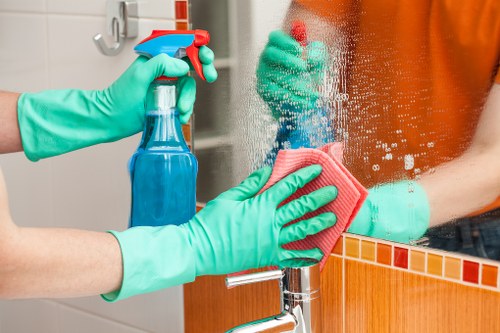
Domestic cleaning has a direct impact on health and wellbeing. Dust, allergens, bacteria, and mold can build up quickly in kitchens, bathrooms, carpets, and soft furnishings. Regular cleaning helps reduce these problems and creates a fresher environment for everyone in the household. This is especially important for families with children, older adults, or anyone with allergies or respiratory sensitivities.
A clean home also improves mental clarity. Cluttered surfaces and dirty spaces often create a sense of pressure or distraction, while tidy rooms can feel calmer and more manageable. Many homeowners notice that domestic cleaning supports better sleep, higher productivity, and less daily stress. Clean surroundings make it easier to relax and enjoy your space.
There is also a practical side to cleaning. Dirt and grime can damage materials over time, causing carpets to wear out, tiles to dull, and appliances to operate less efficiently. A structured domestic cleaning routine helps preserve your investment in the property and reduces the need for expensive repairs or replacements.
Understanding the Scope of Domestic Cleaning
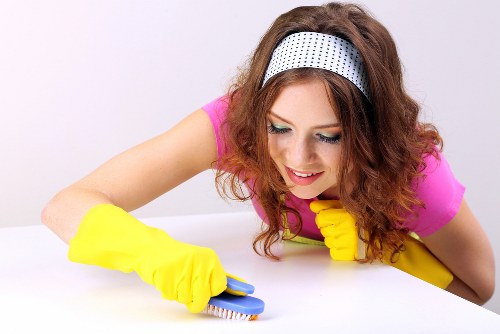
Domestic cleaning usually covers all essential cleaning tasks inside a home. These may include dusting, vacuuming, mopping, sanitizing surfaces, cleaning bathrooms, washing floors, wiping kitchen appliances, and managing rubbish. In some cases, it can also include light organizing, polishing, and deep-cleaning specific areas that collect more dirt.
It is useful to separate domestic cleaning into daily, weekly, and occasional tasks. Daily cleaning might involve wiping the kitchen after cooking, making beds, or clearing surfaces. Weekly cleaning often includes bathrooms, floors, and dusting. More intensive jobs, such as oven cleaning or washing windows, may be done monthly or seasonally depending on the household.
By understanding the full scope of domestic cleaning services and home maintenance tasks, you can avoid overlooking important areas. This is particularly helpful for larger homes or busy households where cleaning can easily become fragmented. A clear plan keeps the work balanced and prevents certain areas from becoming neglected.
Common domestic cleaning areas
- Living rooms and bedrooms
- Kitchens and dining spaces
- Bathrooms and toilets
- Hallways, stairs, and entryways
- Utility rooms and storage areas
Building an Effective Domestic Cleaning Routine
One of the best ways to make domestic cleaning manageable is to build a routine that suits your lifestyle. A routine works because it turns large, overwhelming tasks into smaller, repeatable habits. Instead of waiting until the house feels out of control, you handle cleaning in regular intervals, keeping the workload reasonable and predictable.
Start by identifying the rooms and surfaces that need the most attention. Kitchens and bathrooms usually require frequent cleaning because they are high-use, high-moisture areas where bacteria and grime can accumulate quickly. Bedrooms and living areas may need less intensive attention, but they still benefit from consistent dusting, vacuuming, and clutter control.
It is also smart to use a cleaning order that saves time. A common approach is to clean from top to bottom and from left to right so that dust and debris fall onto areas you have not yet cleaned. This method is efficient and makes your domestic cleaning sessions more effective.
Simple routine structure
- Declutter surfaces and put items away
- Dust shelves, furniture, and fixtures
- Clean bathrooms and kitchen surfaces
- Vacuum and mop floors
- Finish with final checks and touch-ups
For many households, the most realistic routine is one that spreads tasks across the week. For example, you may handle bathrooms on Monday, dusting on Wednesday, and floors on Friday. This approach makes domestic cleaning easier to maintain while keeping the home consistently presentable.
Domestic Cleaning Tools and Products That Make a Difference
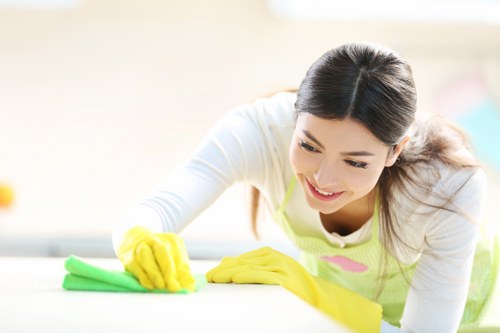
The right tools can make domestic cleaning faster, safer, and more effective. Basic essentials often include microfiber cloths, a vacuum cleaner, a mop, a bucket, sponges, brushes, gloves, and an all-purpose cleaner. Having a well-stocked cleaning caddy helps you move efficiently from room to room without wasting time searching for supplies.
Microfiber cloths are especially useful because they trap dust better than many traditional cloths and can be used on a variety of surfaces. A good vacuum cleaner is another key investment, particularly if you have carpets, pets, or allergy concerns. For hard floors, choose a mop suited to the surface type so you do not damage finishes or leave excess moisture behind.
Choosing products carefully matters as much as the tools themselves. Some surfaces require gentle, non-abrasive cleaners, while others need disinfectants or descaling agents. Kitchen worktops, sinks, and bathroom fixtures all have different needs. Reading labels and using products correctly helps you get better results while protecting your home.
Useful domestic cleaning essentials
- Microfiber cloths for dusting and polishing
- Vacuum cleaner with attachments
- Neutral floor cleaner for everyday use
- Bathroom disinfectant and limescale remover
- Glass cleaner for mirrors and windows
- Rubber gloves for protection
Tip: Always test a new cleaner on a small hidden area before applying it broadly. This simple habit can prevent damage and help you clean with confidence.
Room-by-Room Domestic Cleaning Priorities
Different rooms require different cleaning priorities, and understanding those differences leads to better results. The kitchen is often the most demanding area because it combines food preparation, spills, grease, and frequent touchpoints. Wipe counters, clean the sink, sanitize handles, and keep appliances free from residue to maintain hygiene.
Bathrooms need regular attention because moisture encourages the growth of limescale, soap scum, and bacteria. Focus on sinks, taps, toilets, showers, and tiles. Good domestic cleaning in bathrooms should also include ventilation, since reducing humidity helps prevent mold and unpleasant odors.
Living rooms and bedrooms usually require less intensive cleaning, but they still benefit from consistency. Dust surfaces, vacuum floors, clean under furniture where possible, and keep clutter under control. Soft furnishings such as cushions, throws, and curtains should also be cleaned periodically to reduce dust buildup.
Kitchen cleaning priorities
- Countertops and splashbacks
- Sink and taps
- Appliance exteriors
- Floors and bin area
- Handles, switches, and high-touch spots
Bathroom cleaning priorities
- Toilet bowl and seat
- Shower screen or curtain
- Sink basin and taps
- Tiles and grout
- Mirrors and ventilation points
When you clean room by room with clear priorities, domestic cleaning becomes more systematic and less overwhelming. This structure also helps you spot areas that need deeper treatment before they turn into persistent problems.
Deep Cleaning and Routine Cleaning: Knowing the Difference
Routine domestic cleaning keeps the home looking tidy and hygienic on a regular basis. Deep cleaning goes further. It targets hidden dirt, built-up grease, stubborn stains, and areas that are not cleaned every week. Deep cleaning may include inside cupboards, behind appliances, skirting boards, grout, window tracks, and under furniture.
Both types are important. Routine cleaning maintains day-to-day standards, while deep cleaning refreshes the home more thoroughly and supports long-term upkeep. Many households schedule deep cleaning seasonally, before special events, or when moving in or out of a property. Some also use professional domestic cleaning support for these more demanding tasks.
A balanced approach works best. If you only do routine cleaning, dirt can build up in hidden places. If you only deep clean occasionally, the house may become unmanageable between sessions. Combining both ensures a cleaner and more comfortable living environment all year round.
Examples of deep-cleaning tasks
- Cleaning behind and beneath appliances
- Scrubbing grout and tile edges
- Washing baseboards and door frames
- Cleaning light fixtures and vents
- Descaling showerheads and taps
- Cleaning inside cupboards and drawers
How Professional Domestic Cleaning Can Help
Professional domestic cleaning services can be a practical solution for households that need extra support or want consistently high standards. These services often save time and reduce the burden on busy families, working professionals, and anyone with demanding schedules. A trained cleaner can tackle tasks efficiently and maintain a level of detail that is difficult to achieve when time is limited.
Another advantage of professional help is expertise. Experienced cleaners understand which products and techniques work best for different surfaces and stains. They also know how to work through rooms efficiently and safely. If you have delicate flooring, special finishes, or hard-to-reach areas, professional domestic cleaning can provide peace of mind.
Some households use professional cleaning on a regular basis, while others book services occasionally for deep cleans, pre-event preparation, or seasonal refreshes. Either way, the key is choosing a service that matches your needs, your home size, and your expectations for cleanliness and care.
When professional cleaning is especially helpful
- After a busy period with limited time for housekeeping
- Before guests arrive or after hosting an event
- For deep-cleaning tasks that require extra effort
- When mobility or health concerns make cleaning difficult
- During move-in or move-out transitions
For many homeowners, professional support is not a replacement for everyday habits but a useful complement to them. Combine reliable daily upkeep with expert assistance when needed, and your home will stay cleaner for longer.
Eco-Friendly Domestic Cleaning Practices
Eco-friendly domestic cleaning is becoming increasingly popular because it reduces chemical exposure and supports a healthier indoor environment. Many homeowners now prefer products with fewer harsh ingredients, reusable tools, and waste-reducing habits. These choices can still deliver excellent results when used correctly.
Simple green cleaning methods often include vinegar, baking soda, and mild soap, though not every surface is suitable for these ingredients. For example, natural solutions can be useful on certain glass, sink, and odor-control tasks, but they should be used with care on stone, wood, and delicate finishes. The goal is to clean effectively while being mindful of materials and indoor air quality.
Reducing waste is another part of eco-friendly domestic cleaning. Use washable cloths instead of disposable wipes where possible, buy concentrated formulas, and avoid overusing products. Small changes can make a noticeable difference over time, especially in homes that clean frequently.
Practical eco-friendly habits
- Choose refillable or concentrated cleaning products
- Use microfiber cloths to reduce disposable waste
- Clean with measured amounts rather than overapplying products
- Ventilate rooms while cleaning
- Reuse spray bottles where appropriate
Note: Eco-friendly does not mean less effective. With the right technique, sustainable domestic cleaning can be both efficient and responsible.
Domestic Cleaning for Busy Households
Busy households often need a more flexible approach to domestic cleaning. When people work long hours, commute, care for children, or manage multiple responsibilities, cleaning can slip down the priority list. In these cases, focusing on high-impact tasks is the smartest strategy. Clean what matters most first, then return to the rest when time allows.
One useful method is to divide cleaning into small sessions. Ten minutes in the kitchen, fifteen minutes in the living room, and a quick bathroom wipe-down can be enough to keep things under control during a hectic week. This approach is especially effective because it prevents buildup and reduces the stress of facing a huge cleaning job later.
Families with children may also benefit from shared responsibilities. Age-appropriate chores, such as putting toys away, wiping low surfaces, or helping with laundry, can keep the house tidier and teach useful habits. Over time, domestic cleaning becomes less of a burden when everyone contributes.
Time-saving cleaning habits
- Clean as you go after cooking
- Put items back immediately after use
- Keep cleaning supplies in key rooms
- Use timers to stay focused
- Assign simple tasks to family members
Safety and Hygiene in Domestic Cleaning
Safety should always be part of domestic cleaning. Using products incorrectly, mixing chemicals, or neglecting protective measures can lead to avoidable risks. Always read instructions, ensure good ventilation, and store cleaning products away from children and pets. Gloves can help protect your hands, especially during bathroom or heavy-duty cleaning tasks.
Hygiene is just as important. Cloths, sponges, and mop heads can spread germs if not cleaned or replaced regularly. Keep separate tools for bathrooms and kitchens where possible to prevent cross-contamination. This simple habit improves the quality of your domestic cleaning and helps maintain a healthier home environment.
If you are managing allergens, moisture problems, or recurring buildup, pay extra attention to airflow, drying time, and frequent dust control. Clean living spaces are not just visually appealing; they are also safer and more comfortable to live in.
How to Keep Domestic Cleaning Sustainable Over Time
The best domestic cleaning plan is one you can sustain. If your system is too complicated, too time-consuming, or too expensive, it will be difficult to maintain. Sustainability comes from realistic expectations, consistent habits, and a manageable rhythm that fits your household.
Start by setting priorities. Not every room needs the same level of attention every day, and not every task needs to be done by hand. Focus on the areas that affect hygiene and comfort most, then schedule deeper work less frequently. This keeps domestic cleaning practical rather than exhausting.
It is also helpful to review your cleaning routine every few months. Seasonal changes, new family routines, pets, or renovations may require different approaches. Adjusting your methods keeps the process efficient and ensures your home remains in good condition.
Long-term success tips
- Use a simple weekly cleaning plan
- Keep products organized and easy to access
- Replace worn tools before they reduce cleaning quality
- Schedule deeper tasks periodically
- Adapt routines as the household changes
Choosing the Right Domestic Cleaning Approach for Your Home
There is no single method that works for every home. The right domestic cleaning approach depends on the size of the property, the number of occupants, lifestyle demands, and personal standards. A smaller home may need short, frequent cleaning sessions, while a larger family home may need a more formal schedule or professional support.
Think about what matters most to you. Some households prioritize visible tidiness, while others focus on hygiene, allergy reduction, or long-term maintenance. A balanced cleaning plan can address all three. The important thing is to choose a style of domestic cleaning that supports both comfort and realism.
If you decide to combine DIY cleaning with professional help, use each approach strategically. You might handle everyday upkeep yourself and book professionals for intensive cleaning when needed. That balance can be cost-effective, time-saving, and highly effective in maintaining a pleasant home.
Ask yourself these questions
- Which rooms need the most frequent attention?
- How much time can I realistically spend each week?
- Do I need help with deep or specialized tasks?
- Which products and tools work best in my home?
- What level of cleanliness feels comfortable and achievable?
Final Thoughts on Domestic Cleaning
Domestic cleaning is one of the simplest and most powerful ways to improve everyday life at home. It supports health, reduces stress, protects surfaces, and creates an environment that feels calm and cared for. Whether you prefer to clean yourself or occasionally rely on professional support, consistent habits make a meaningful difference.
By building a practical routine, using the right tools, and focusing on high-priority areas, you can keep your home in excellent condition without feeling overwhelmed. Add in smart time-saving methods, eco-friendly habits, and periodic deep cleaning, and domestic cleaning becomes much more manageable.
If your home could benefit from a fresher, cleaner, and more organized atmosphere, now is the perfect time to take action. Contact us today to explore your options, or book your service now and enjoy the confidence that comes with a well-maintained home. Domestic cleaning should make life easier, not harder, and the right approach can do exactly that.