Oven Cleaning in Detail: A Practical, SEO-Friendly Approach for a Cleaner, Safer Kitchen
Oven cleaning is one of those household tasks that many people put off until the problem becomes impossible to ignore. Built-up grease, burnt-on spills, carbonized food, and lingering odors can turn even a modern kitchen into a frustrating space. Whether you cook daily or only occasionally, oven cleaning matters for hygiene, performance, safety, and the taste of your food. A dirty oven can smoke, heat unevenly, and create unpleasant smells that spread through your home.
If you have been searching for reliable advice on oven cleaning in a way that is practical and easy to follow, you are in the right place. This article explores why oven cleaning is important, how to approach it safely, what methods work best, how often to do it, and when it may be worth hiring a professional service. From quick maintenance tips to deep-clean strategies, you will learn how to keep your appliance in top condition without unnecessary stress.
Many people assume oven cleaning is only about appearance, but it goes much further than that. A well-maintained oven can improve cooking efficiency, reduce fire risk, and even help extend the lifespan of the appliance. With the right routine, oven cleaning becomes less of a dreaded chore and more of a smart habit that protects your kitchen investment.
Why Oven Cleaning Matters More Than Most People Realize

Regular oven cleaning is essential for both practical and health-related reasons. Grease and food residue do not just sit quietly inside the appliance. Over time, they bake onto the surfaces, create stubborn stains, and may burn during future cooking sessions. This can affect the flavor of your food and create smoke that fills the kitchen.
Another major reason to prioritize oven cleaning is safety. Excess buildup can become a fire hazard, especially if food debris or grease accumulates around heating elements. While many ovens are designed to handle high heat, they are not meant to operate with thick layers of residue coating the interior.
There is also the matter of efficiency. A clean oven distributes heat more evenly and works more effectively. When the interior is clogged with grime, the appliance may need to work harder to maintain temperature, which can waste energy and result in uneven cooking.
Signs Your Oven Needs Cleaning
It is not always obvious when oven cleaning is overdue, especially if you do not use the appliance every day. However, several signs usually indicate that it is time for a deep clean. One of the most common signs is visible grease or blackened residue on the glass door, racks, or interior walls.
You may also notice smoke when preheating or cooking, even if you are not using particularly messy ingredients. This often means old spills or grease are burning off during use. A strong, unpleasant odor is another clue that oven cleaning should happen soon.
Uneven cooking can also signal a dirty oven. If one side of a dish cooks faster than the other, residue may be interfering with heat circulation. In addition, if the oven door does not close properly because of built-up grime, that is a clear indication that maintenance is needed.
Common warning signs include:
- Persistent smoke during normal use
- Burnt smells after heating
- Sticky or hardened residue
- Dark discoloration inside the oven
- Spills on the glass door
- Uneven baking or roasting results
Preparing for Oven Cleaning the Right Way
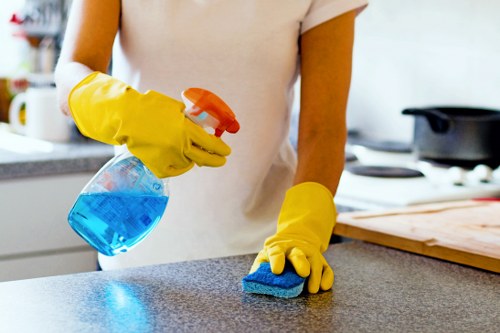
Before beginning any oven cleaning task, preparation makes the process safer and more effective. Start by turning off the oven and letting it cool completely. Cleaning a warm surface can create discomfort and may reduce the effectiveness of some cleaning products. Safety should always come first.
Next, remove loose items such as oven racks, trays, pizza stones, thermometers, and any leftover foil. This gives you full access to the interior surfaces and helps you clean each component separately. If your oven has a self-cleaning setting, check the manufacturer’s instructions before using it, as not all models respond the same way.
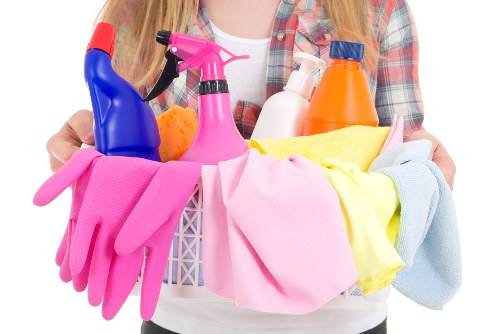
It is also helpful to gather the right supplies before you begin. For most oven cleaning tasks, you may need microfiber cloths, a soft sponge, a non-abrasive scrub pad, warm water, dish soap, baking soda, white vinegar, and a small brush for corners. If you plan to use a commercial cleaner, make sure the room is well-ventilated and that you follow all label instructions carefully.
Simple prep checklist
- Turn off and cool the oven
- Remove racks and accessories
- Read the appliance manual if needed
- Open windows for ventilation
- Gather cleaning tools and products
Best Methods for Oven Cleaning

There are several effective methods for oven cleaning, and the best one depends on the level of grime, the type of oven, and your preference for natural or chemical products. Some homeowners prefer a gentle, eco-friendly approach, while others want a stronger solution for heavy buildup. In either case, consistency is more important than using the harshest possible cleaner.
Baking soda paste is one of the most popular methods for oven cleaning. Mixing baking soda with a small amount of water creates a spreadable paste that can help loosen grease and baked-on residue. Apply it to the interior surfaces, avoid heating elements, and let it sit for several hours or overnight before wiping it away.
White vinegar works well as a follow-up step. After removing the baking soda residue, spray or wipe vinegar over the cleaned surfaces. The reaction helps lift remaining particles and leaves the oven fresher. This method is especially useful for regular maintenance and lighter buildup.
Other oven cleaning methods include:
- Commercial oven cleaners for tough grease and heavy stains
- Steam cleaning using heat and moisture to loosen debris
- Self-cleaning cycles on compatible ovens
- Manual degreasing with warm soapy water and non-scratch tools
Each method has advantages. Natural cleaning methods are often gentler and safer for routine care, while commercial solutions may be better for ovens that have been neglected for a long time. The key is to choose a method that suits your oven type and your cleaning comfort level.
How to Clean Oven Racks, Glass, and Interior Surfaces
Oven cleaning should not focus only on the main cavity. Racks, doors, and corner spaces often collect the most stubborn residue. Cleaning these parts separately can dramatically improve the overall appearance and performance of the appliance.
For oven racks, soak them in warm water mixed with dish soap in a bathtub or large sink if possible. After soaking, scrub them with a non-abrasive sponge or brush to remove loosened grime. If buildup is severe, baking soda paste can help break down residue before rinsing and drying.
The oven glass deserves special attention because smudges and burnt splashes are often highly visible. Use a soft cloth with warm soapy water or a baking soda mixture to clean the glass without scratching it. Avoid sharp tools or metal scrapers unless the manufacturer specifically permits them. A clear oven door not only looks better but also helps you monitor food while cooking.
Focus areas during cleaning
- Top interior ceiling
- Bottom tray or floor area
- Door edges and seals
- Racks and tray supports
- Glass panel and handles
- Back wall near fans or vents
When cleaning the interior, pay special attention to corners and seams where grease tends to settle. A small brush or cotton swab can help with tight spaces. Just remember to avoid soaking electrical components or spraying liquid directly into sensitive openings.
Oven Cleaning Mistakes to Avoid
Even with the best intentions, it is easy to make mistakes during oven cleaning that can reduce effectiveness or damage the appliance. One of the biggest mistakes is using abrasive materials that scratch the enamel or glass. Harsh scrubbing pads, steel wool, and sharp tools can create permanent marks.
Another common mistake is applying too much liquid. Excess moisture can seep into sensitive areas, especially around vents and electrical components. A damp cloth is usually better than a soaking-wet one. Controlled use of moisture helps clean the oven while protecting the appliance.
Many people also forget to rinse cleaning products thoroughly. Residue from chemical cleaners or even natural mixtures can cause odors the next time the oven heats up. After cleaning, always wipe surfaces again with clean water and dry them well.
Avoid these errors:
- Using metal scrapers on delicate surfaces
- Mixing cleaning chemicals unsafely
- Ignoring the oven manual
- Cleaning before the oven is fully cool
- Leaving residue behind after cleaning
- Forgetting to ventilate the room
How Often Should Oven Cleaning Be Done?
The frequency of oven cleaning depends on how often you cook and what kinds of meals you prepare. If you roast, bake, or broil regularly, grease and spill buildup may happen quickly. In that case, light cleaning every few weeks and a deeper clean every few months may be appropriate.
For occasional users, oven cleaning might only be necessary every three to six months. However, even if the oven appears clean, small spills and food particles can still accumulate over time. It is usually easier to clean gradually than to wait until the grime becomes hardened and difficult to remove.
A good rule is to address messes as soon as they happen. Wiping spills after the oven cools can save hours of effort later. Consistent maintenance is the secret to easier oven cleaning and a fresher kitchen overall.
Suggested cleaning frequency
- After spills: wipe as soon as safe
- Light maintenance: every 2 to 4 weeks
- Deep oven cleaning: every 2 to 6 months
- Professional service: as needed for heavy buildup
When Professional Oven Cleaning Makes Sense
While many homeowners can handle oven cleaning on their own, there are situations where professional help is the smarter choice. If the oven has thick, baked-on grease, burnt sugar, or residue that has been ignored for years, a trained technician may be able to restore it more efficiently. Professional oven cleaning can also save time for busy households.
Another reason to consider professional oven cleaning is appliance sensitivity. Some ovens have special coatings, delicate electronics, or self-cleaning systems that require careful handling. A professional service will usually know how to treat different oven models properly and reduce the risk of damage.
Professional oven cleaning is also useful if you are preparing a property for sale, move-out, or rental inspection. A spotless oven can improve the overall impression of the kitchen and make the home feel better maintained. When done correctly, it can add real value to the presentation of a property.
Professional cleaning is ideal when:
- The oven has heavy carbon buildup
- Smoke persists after basic cleaning
- You lack time or equipment
- The appliance has special coatings or features
- You want a deep, thorough reset
Natural Oven Cleaning vs. Chemical Products
When it comes to oven cleaning, one of the most common questions is whether to use natural ingredients or chemical products. Both options can work well, but each has trade-offs. Natural methods such as baking soda and vinegar are popular because they are inexpensive, widely available, and generally gentler on surfaces.
Chemical oven cleaners are usually stronger and may cut through stubborn grease faster. However, they can also produce strong fumes and require more caution during use. Proper ventilation, gloves, and careful reading of the directions are essential. If you have children, pets, or sensitivities to strong odors, natural methods may be more comfortable.
The best choice often depends on the condition of the oven. For routine maintenance, natural oven cleaning methods are usually enough. For serious buildup, a commercial product may be the better option. Many people use a combination of both approaches, reserving stronger solutions for problem areas only.
Quick comparison
- Natural cleaners: safer, gentler, lower odor
- Chemical cleaners: stronger, faster on heavy grime
- Steam methods: helpful for loosening dirt
- Manual cleaning: best for precision and control
Keeping Your Oven Cleaner for Longer
Once your oven is clean, the goal is to keep it that way for as long as possible. Small habits can make a big difference. For example, placing a baking tray under dishes that are likely to bubble over can catch drips before they reach the oven floor. This simple step reduces the amount of future cleaning required.
It also helps to check food while it cooks, especially when roasting fatty meats or baking casseroles. If you notice bubbling or splatter, you can act quickly before it hardens. Using lids, foil, or oven-safe covers where appropriate can also limit mess.
Another good habit is to wipe the oven door and handles regularly. These areas collect fingerprints, grease, and steam residue, and keeping them clean improves the overall appearance of the kitchen. A little routine care makes full oven cleaning much less intimidating.
Practical maintenance tips
- Clean spills promptly after cooling
- Use trays to catch drips
- Cover messy dishes when safe
- Wipe exterior surfaces weekly
- Inspect seals and hinges occasionally
Final Thoughts on Oven Cleaning
Oven cleaning is not just a cosmetic task; it is a smart way to protect your kitchen, improve cooking results, and extend the life of your appliance. A clean oven heats more evenly, smells fresher, and is less likely to smoke or create safety concerns. Whether you prefer natural cleaning methods, commercial products, or professional help, the most important thing is to build a routine that works for your household.
By tackling grime early and staying consistent, you can avoid the frustration of deep-set buildup and make oven cleaning much easier over time. Even small efforts, done regularly, can keep your appliance in excellent condition. If your oven is overdue for attention, now is the perfect time to take action. Book your service now or contact us today to restore a cleaner, more efficient kitchen environment.
With the right approach, oven cleaning becomes a manageable task rather than a major ordeal. Keep your appliance fresh, your meals tasting better, and your kitchen looking its best with smart, regular maintenance.